
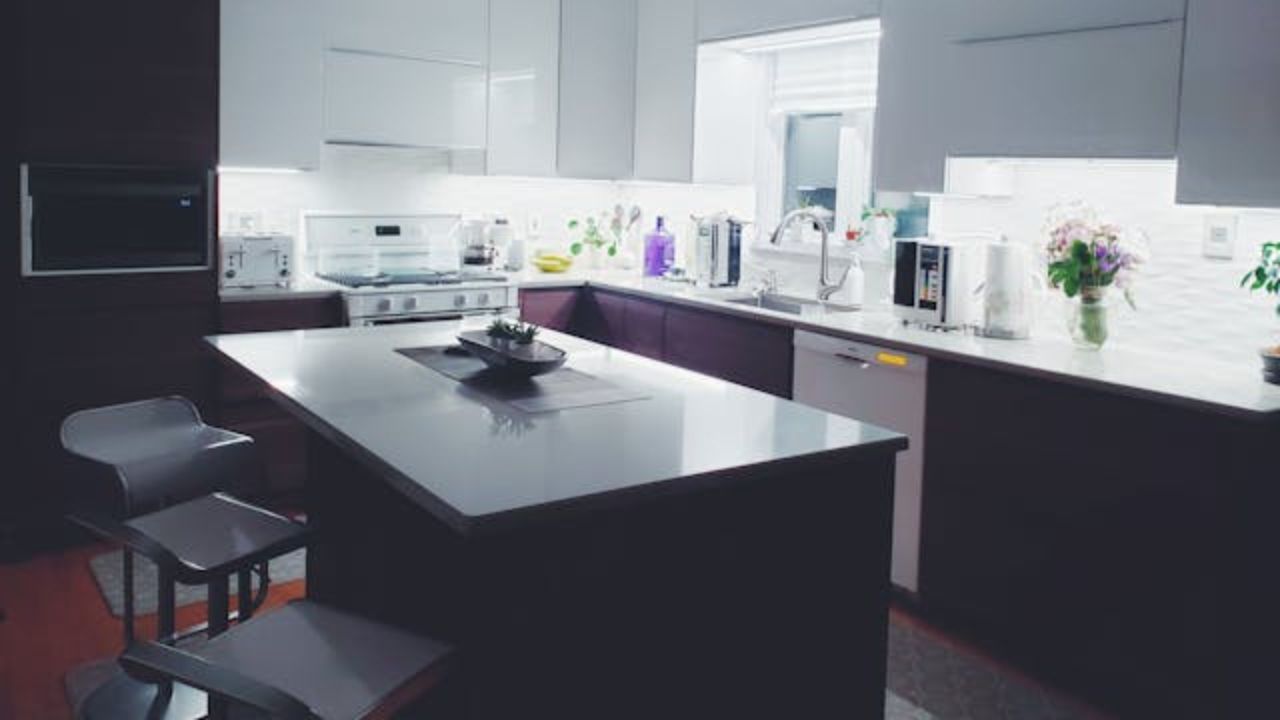
When designing a modern kitchen, one of the biggest dilemmas is: quartz or granite countertops? Both materials are extremely popular, durable, and aesthetically versatile — but there are important differences to consider before making a final decision.
If you’re building or remodeling your kitchen and want to know which option is best for your lifestyle, budget, and routine, take a look below at a detailed comparison based on evaluations by interior design and architecture experts.
Quartz: Sophisticated Aesthetic and Low Maintenance
Quartz countertops are made from crushed natural stone combined with resins and pigments. This makes them highly durable and available in an impressive range of consistent colors and patterns — perfect for those who want a modern, minimalist look.
Advantages of Quartz:
- Low porosity: doesn’t absorb liquids easily, helping to prevent stains and bacteria.
- Easy maintenance: doesn’t require regular sealing.
- Consistent coloring: ideal for those who want visual uniformity in the kitchen.
- Highly resistant to scratches and minor impacts.
Disadvantages of Quartz:
- Heat sensitivity: can be damaged by hot pans placed directly on the surface.
- May be more expensive than granite, depending on the supplier.
- Less resistant to direct sunlight — in kitchens with a lot of natural light, it may fade over time.
Granite: Natural Beauty and Classic Strength
Granite is a 100% natural stone, giving each countertop a unique and sophisticated look, with veins and textures that never repeat. It’s a popular choice for both traditional and modern kitchens and offers excellent durability.
Advantages of Granite:
- High heat resistance: can withstand hot pans without immediate damage.
- Proven durability: resists impacts, cutting, and daily use very well.
- Unique natural look: no two slabs are the same.
- Cost-effective: often more affordable than quartz, especially in common colors.
Disadvantages of Granite:
- Porous material: requires regular sealing to prevent stains and bacteria buildup.
- Color and vein variations can make it harder to match with the rest of the kitchen.
- More difficult to repair if chipped or cracked.
So, Which Should You Choose: Quartz or Granite?
The answer depends on three main factors: lifestyle, budget, and desired aesthetic.
If you cook frequently, need practicality, and want surfaces that are easy to clean, quartz might be the better option — especially in indoor environments with limited direct heat.
On the other hand, if you appreciate the natural beauty of stone, need heat resistance, and are willing to perform regular maintenance, granite offers great value for money.
Experts also recommend considering your local climate (since heat and humidity can affect materials), the amount of use your kitchen gets, and your overall interior design style.
Conclusion: The Right Choice Is the One That Meets Your Needs
When choosing between quartz and granite kitchen countertops, the most important thing is to consider your routine and expectations. Both materials have advantages and limitations — understanding them helps you avoid future regrets.
If possible, consult with an architect or interior designer to determine the best option for your specific project. And remember: a beautiful, functional countertop adds value to your home and improves your kitchen experience.
This content was created with the help of AI and reviewed by the editorial team.
